Why Apex Predators Matter for Regional Economic Growth
The Esteros del Iberá wetlands illustrate a significant shift in conservation economics. The objective is no longer limited to preserving isolated habitats or preventing further damage. It is the active production of nature, or producción de naturaleza, in which restored ecosystems generate ecological, social, and commercial value. For Corrientes Province, that distinction matters because a functioning wetland can support employment, attract private enterprise, justify public infrastructure, and strengthen the long-term competitiveness of rural communities.
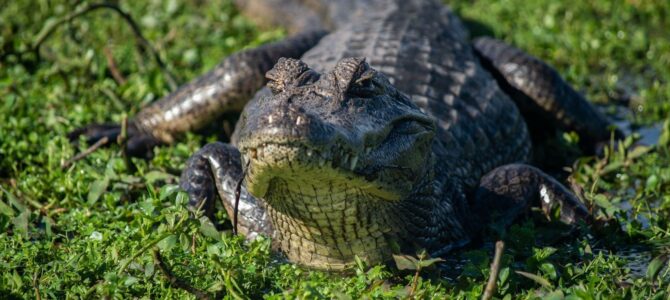
Decades of cattle ranching, hunting, habitat loss, and other extractive pressures disrupted Iberá’s food webs. Large predators disappeared, prey relationships changed, and rural economic activity remained concentrated in relatively vulnerable land uses. Reintroducing keystone species such as jaguars and giant otters therefore has implications beyond species conservation. It helps rebuild a complete ecosystem, creates a compelling reason for visitors to travel, and gives local businesses a durable natural asset. The model’s commercial logic is visible in the wider transformation documented by The Iberá Wetlands as Argentina’s answer to Yellowstone, where wildlife recovery is closely linked to tourism, training, and local development.
The Mechanics of Trophic Cascades and Ecosystem Recovery
Apex predators influence ecosystems through more than the number of animals they kill. Jaguars can regulate populations of medium and large prey, alter where herbivores feed, and reduce pressure on sensitive vegetation. Those changes can allow wetland grasses, woodland patches, and river-edge habitats to recover. In turn, healthier vegetation stabilizes soils, provides shelter for smaller species, and improves the visual and ecological quality that makes wildlife tourism attractive.
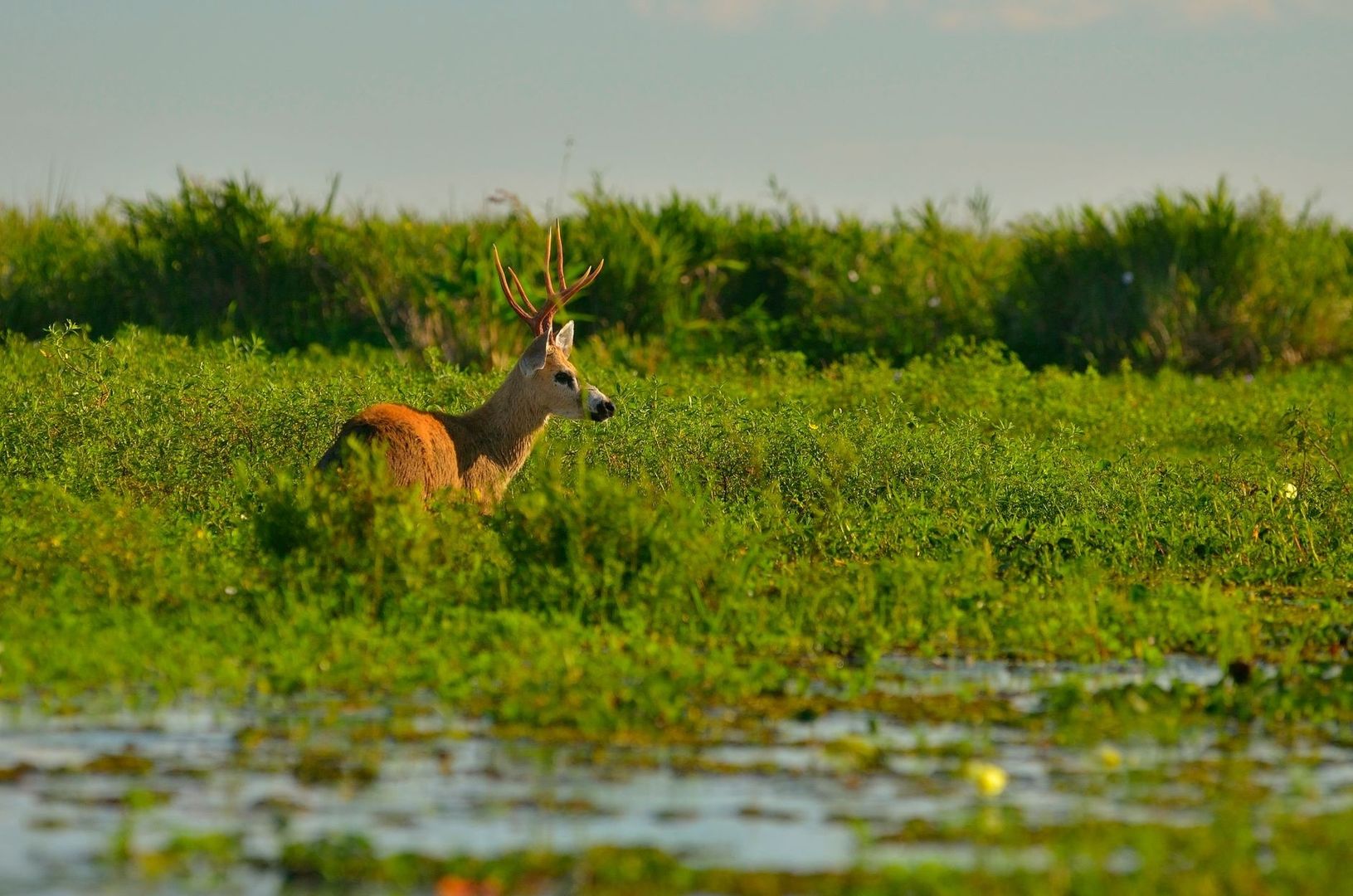
Rewilding works best when it restores relationships rather than treating species as isolated attractions. Large herbivores such as tapirs, pampas deer, and collared peccaries contribute to grazing patterns, nutrient movement, and seed dispersal. Mid-sized carnivores, including reintroduced ocelots, occupy an important position between small prey and apex predators. The ocelot initiative in Iberá includes quarantine, rehabilitation, breeding, release, and GPS monitoring, while also assessing survival, reproduction, and genetic variability. Red-and-green macaws add another ecological function through seed dispersal and another visitor draw through visible, highly distinctive behaviour.
These ecological effects can be translated into economic value, although they should not be treated as automatic or guaranteed returns. Wildlife recovery creates the foundation for guiding, accommodation, transport, food services, conservation employment, research, and environmental education. The following comparison shows how ecological functions can connect to downstream regional value.
| Taxon or group | Ecological function | Potential downstream economic value |
|---|---|---|
| Jaguar | Regulates prey and helps restore predator-prey balance | High-value wildlife viewing, guiding, research, conservation employment, and destination branding |
| Giant otter | Signals healthy aquatic systems and occupies a high trophic level | Wetland excursions, specialist tourism, monitoring jobs, and stronger conservation credentials |
| Ocelot | Controls smaller prey and competing predators | More complete ecosystem experiences, tracking programmes, and scientific expertise |
| Tapir and other large herbivores | Disperse seeds, shape vegetation, and move nutrients | Safari-style observation, habitat restoration work, and improved landscape resilience |
| Red-and-green macaw | Disperses seeds across woodland and wetland edges | Birdwatching, specialist tours, local guiding, and conservation interpretation |
From Depleted Cattle Lands to a Thriving Wildlife Destination
Iberá’s transformation is significant in geographic and investment terms. The Great Iberá Park, commonly referred to as Gran Parque Iberá, protects more than 700,000 hectares, while the wider reserve and protected landscape extend beyond that figure. The region’s wetlands cover roughly 13,000 square kilometres and support more than 4,000 species, including hundreds of bird species. Land once associated with cattle, hunting, fencing, and habitat degradation is increasingly positioned as a large-scale natural destination with assets that cannot be easily replicated elsewhere.
This changes the profile of regional investment. Cattle and other extractive activities can remain important in appropriate locations, but they are exposed to commodity prices, climate volatility, input costs, and land degradation. Ecotourism produces a different type of return. Visitors pay for repeated services such as accommodation, guiding, meals, transport, equipment, and cultural experiences. If visitor numbers grow within ecological limits, revenue can recur without removing the underlying wildlife asset. The strongest model is not mass tourism. It is carefully managed, lower-volume tourism that values landscape quality, local knowledge, and credible conservation outcomes.
Internationally, Iberá can be understood alongside restoration projects that converted ecological recovery into regional identity and economic opportunity. The comparison with Yellowstone is useful, but the operating conditions are different. Iberá’s product is a freshwater wetland shaped by waterways, grasslands, forests, and extraordinary birdlife rather than by a single iconic landscape. Its lessons are therefore especially relevant to regions where protected areas are distributed across rural territories and must be connected to communities, small enterprises, and public services.
- Protected landscapes create a long-term destination asset rather than a short-lived promotional campaign.
- Species reintroduction gives tourism operators a clear conservation narrative and a reason for repeat visits.
- Local participation converts external conservation spending into employment, skills, and business ownership.
- Visitor growth must be managed against carrying capacity, wildlife disturbance, waste, water use, and seasonal access constraints.
Tangible Multipliers in Corrientes’ Rural Job Market
The labour-market effect begins with direct conversion. Former hunters, ranch workers, and residents with detailed knowledge of tracks, waterways, weather, and animal behaviour can move into guiding, wildlife tracking, park support, and monitoring roles. This does not mean every traditional job transfers automatically. Training, licensing, language ability, safety standards, and customer-service skills may be required. However, local ecological knowledge is a valuable starting asset that outside operators cannot easily purchase or reproduce.
Tourism also expands the demand for services around the central wildlife experience. Rural accommodation, food production, boat operations, vehicle maintenance, handicrafts, interpretation, communications, and cultural programming all benefit when visitors stay longer and spend locally. Research on rural tourism in Spain similarly identifies tourism as a diversification mechanism that can complement agriculture, address employment decline, and support communities with limited alternatives. Iberá’s advantage is that species recovery supplies a distinctive reason for travel, while local gastronomy and culture give that travel a broader economic footprint.
In gateway towns such as Colonia Carlos Pellegrini and Concepción del Yaguareté Corá, conservation revenue can circulate through several linked stages:
- Arrival and access. Visitors purchase transport, transfers, local orientation, and equipment services, creating demand before entering the wetland.
- Guided experiences. Boat trips, wildlife observation, kayaking, hiking, horseback riding, and specialist photography support guides, drivers, boat operators, and safety personnel.
- Overnight spending. Lodges, campsites, guesthouses, food suppliers, cleaners, maintenance workers, and laundry services capture value when visitors remain in the area.
- Local production. Artisans, cooperatives, farmers, cooks, and cultural educators can supply products and experiences that differentiate the destination.
- Reinvestment. Revenue, taxes, grants, and philanthropic funding can support training, monitoring, habitat management, and improvements that raise the quality of future visits.
Public Infrastructure and Regional Governance Foundations
Private ecotourism cannot operate at scale without public goods. Access corridors, reliable communications, electricity, emergency response, waste management, signage, visitor portals, and environmental monitoring all reduce operating risk. Iberá’s development has depended on coordination among national agencies, the provincial government, municipalities, civil society organisations, philanthropic foundations, and local communities. That structure is important because rewilding often crosses property boundaries and administrative jurisdictions.
Public capital expenditure should therefore be evaluated as productive regional infrastructure rather than as a narrow conservation expense. Renewable microgrids can improve service reliability in remote settlements while reducing dependence on costly fuel logistics. Portal infrastructure can distribute visitors across multiple entrances instead of concentrating pressure in one location. National park status and related statutory protections provide a stronger basis for long-term investment by reducing the risk that restored habitat will later be converted to incompatible uses. The official framework for Parque Nacional Iberá provides an essential reference for the protected area’s institutional and conservation setting.
- Policy alignment. National, provincial, and municipal plans should define compatible land uses, visitor standards, and conservation responsibilities.
- Infrastructure sequencing. Roads, energy, communications, sanitation, and visitor facilities should expand in line with ecological monitoring and local capacity.
- Investment security. Protected-area rules help safeguard the natural assets that underpin tourism and conservation finance.
- Community governance. Residents and local businesses need meaningful participation, not only consultation, in decisions affecting access and revenue.
- Risk management. Livestock-predator coexistence, invasive species, fire, floods, drought, and climate change require active management and transparent data.
Building Resilient Regional Economies on Restored Wild Landscapes
Iberá demonstrates that biodiversity restoration can function as high-return rural economic infrastructure. A jaguar, giant otter, ocelot, tapir, or macaw is not merely a conservation endpoint. Within a complete ecosystem and a credible governance system, each species can strengthen destination value, support professional skills, attract research, and help justify the infrastructure required by remote communities. The economic return is distributed across many activities rather than captured by a single commodity chain.
For policymakers and business leaders in emerging markets, the practical lesson is to finance the whole system. Species reintroduction must be matched with habitat protection, monitoring, local training, visitor management, conflict prevention, and reliable public services. Investors should assess ecological indicators alongside visitor spending, local employment, enterprise creation, and infrastructure performance. Iberá’s continuing challenges also matter: conservation standards must be maintained, tourism must remain compatible with ecological limits, and climate pressures must be incorporated into planning. Across fragmented ecosystems, rewilding-driven bioeconomies offer a credible path to diversification when restoration is treated not as a regulatory cost, but as a long-term productive asset.